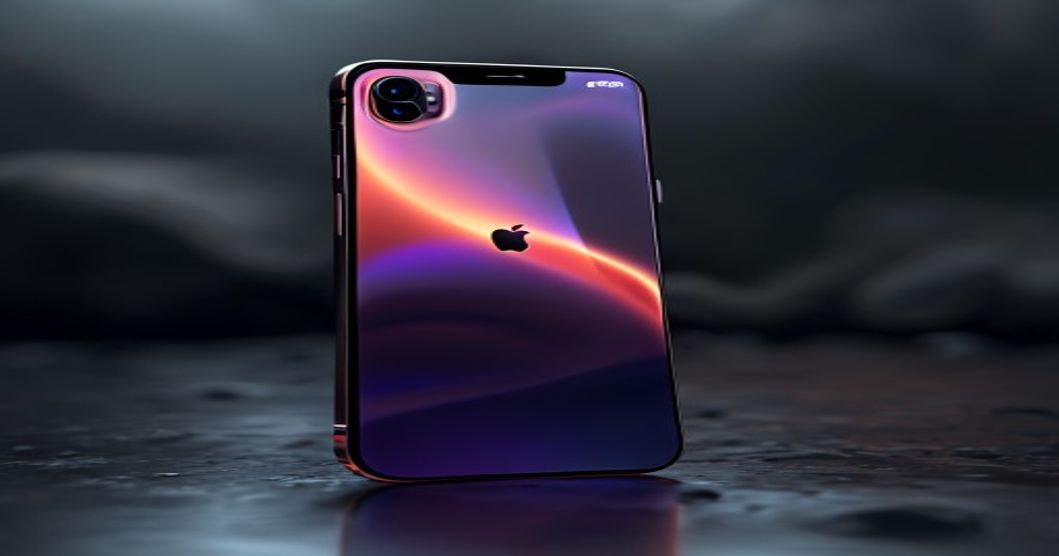
Revolutionizing Smartphone Design: The Future of iPhones
The next iPhone ultra thin design features have been a topic of interest among tech enthusiasts, with many speculating about the potential innovations that could make the device even thinner and more efficient. According to a report by Wired, ‘in-cell’ technology could be the key to achieving this goal. As stated by Wikipedia, in-cell touch technology integrates the touch sensors into the display panel itself, reducing the need for a separate touch layer and thereby decreasing the overall thickness of the device.
What is In-Cell Technology and How Does it Work?
In-cell technology is a type of touch screen technology that combines the touch sensors and the display panel into a single layer, as explained by TechCrunch. This approach eliminates the need for a separate touch layer, which is typically placed on top of the display panel. By integrating the touch sensors into the display panel, in-cell technology enables the creation of thinner, more efficient, and more responsive touch screens. As noted by Bloomberg, this technology has already been used in several high-end smartphones, including some models of the iPhone and Samsung Galaxy series.
How Will In-Cell Technology Make the Next iPhone Ultra-Thin?
The adoption of in-cell technology in the next iPhone could lead to a significant reduction in the device’s thickness, as reported by CNET. By eliminating the need for a separate touch layer, Apple could shave off a few millimeters from the device’s thickness, making it even more compact and portable. Additionally, in-cell technology could also improve the device’s responsiveness and accuracy, as the touch sensors are integrated directly into the display panel. According to Reddit’s Apple community, this could be a major selling point for the next iPhone, especially among those who value sleek and compact designs.
What Other Design Features Can We Expect in the Next iPhone?
Besides the adoption of in-cell technology, the next iPhone is also rumored to feature several other innovative design elements, including a new OLED display, a revised camera system, and a more durable glass body, as reported by MacRumors. The new OLED display is expected to provide better contrast, color accuracy, and power efficiency, while the revised camera system could include advanced features such as 3D modeling and augmented reality capabilities. The more durable glass body, on the other hand, could provide enhanced protection against scratches and drops, as noted by LinkedIn’s tech community.
How Will the Next iPhone’s Ultra-Thin Design Impact User Experience?
The next iPhone’s ultra-thin design, made possible by in-cell technology, could have a significant impact on the user experience, according to The Verge. For one, the device’s compact size and lightweight design could make it more comfortable to hold and use, especially for extended periods. Additionally, the improved responsiveness and accuracy of the touch screen could enable more precise and intuitive interactions, such as multi-touch gestures and swipe-based navigation. As noted by CNET, this could be especially beneficial for tasks that require high levels of precision, such as photo editing and gaming.
What Are the Potential Challenges and Limitations of In-Cell Technology?
While in-cell technology has the potential to revolutionize smartphone design, there are also several challenges and limitations to consider, as reported by TechRadar. One of the main concerns is the potential impact on display quality, as the integration of touch sensors into the display panel could affect the device’s color accuracy and viewing angles. Additionally, the adoption of in-cell technology could also increase the device’s production costs and complexity, which could be a challenge for manufacturers, according to Bloomberg.
How Will Apple Address These Challenges and Limitations in the Next iPhone?
According to MacRumors, Apple is already working to address the potential challenges and limitations of in-cell technology in the next iPhone. For example, the company is reportedly developing new display materials and manufacturing processes that could help to minimize the impact on display quality. Additionally, Apple is also rumored to be investing in advanced testing and calibration techniques to ensure that the device’s touch screen is responsive and accurate, as noted by TechCrunch. By addressing these challenges and limitations, Apple could help to ensure that the next iPhone’s ultra-thin design is both visually stunning and highly functional.
What Does the Future Hold for In-Cell Technology and Ultra-Thin Smartphone Designs?
The future of in-cell technology and ultra-thin smartphone designs looks promising, with many manufacturers already exploring the potential of this technology, as reported by CNET. According to LinkedIn’s tech community, the adoption of in-cell technology could lead to a new wave of innovative smartphone designs, including foldable and flexible displays. Additionally, the development of new materials and manufacturing techniques could also enable the creation of even thinner and more efficient devices, as noted by Bloomberg. As the smartphone market continues to evolve, it will be exciting to see how in-cell technology and ultra-thin designs shape the future of mobile devices.
How Will the Next iPhone’s Ultra-Thin Design Impact the Competitive Landscape?
The next iPhone’s ultra-thin design, enabled by in-cell technology, could have a significant impact on the competitive landscape, according to TechRadar. For one, the device’s sleek and compact design could help to differentiate it from other smartphones on the market, as noted by CNET. Additionally, the improved responsiveness and accuracy of the touch screen could also provide a competitive advantage, especially in tasks that require high levels of precision, such as gaming and productivity. As the smartphone market becomes increasingly saturated, the next iPhone’s ultra-thin design could be a key factor in helping Apple to maintain its market share and stay ahead of the competition, as reported by MacRumors.